

I arrived in East Belfast in October 1966. I was 17 and apart from an exchange visit to France for a month I had never been away from home on my own. I came from Rostrevor, a small seaside town and I was used to all the comforts of home. I had left school and was lucky to get a job in the Civil Service as a Clerical Officer. Things weren’t going too well at home as I had fallen for a young Scottish protestant. This was not on for a young Irish Catholic girl in those days. It was many years later when tracing my family tree that I discovered that I was not actually native Irish on my father’s side. My ancestors had moved here from Somerset in the 1600 ‘s and intermarried. Oh the irony!
The local Parish Priest had been alerted that one of his flock was ‘walking out’ with a protestant and he was none too pleased.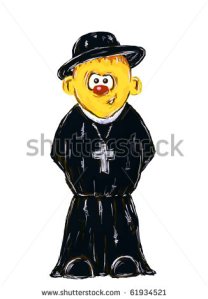
where
In those days a trolley bus ticket into town was 4d and it was possible to walk home in the early hours of the morning from The Orpheus, The Astor and the students union at Queens, crossing the Queens bridge without any hassle. Those were carefree years and we enjoyed them to the full. All the big groups came to Belfast and there was always a show to see. I saw the Beach Boys, Gene Pitney, Neil Sedaka, Them, to mention a few. I saw the premiere of The Sound of Music in the Odeon while the Free Presbyterians demonstrated outside, because of the Catholic theme of the film .
After a year a few us moved to a flat in the university area and my Scotish planter joined me up in Belfast. Within a short time the troubles started and the nights echoed to the sound of gunfire and bombs. The theatres closed and Belfast became a no go area for tourists. Many nights returning from home after the weekend, our bus was diverted through streets that had burning barricades and we travelled in fear of been hijacked.
But I loved Belfast and I returned to East Belfast with Gordon and we have been together for almost 49 years. I was 16 when we met and married at 21. We weren’t allowed to marry in my home town and I have happy memories of being escorted up the Crumlin Road by two army jeeps. We planted some seeds of our own and our offspring grew up mixing with all religions and kept u p the tradition set by their parents. East Belfast unfortunately gets bad press but it is a lovely place to live and I remember the 60’s with great affection.

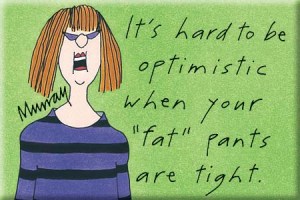 I can turn what looks like more than one roll of “baby weight” (ha…like it wasn’t hanging around before hand) in to a sleek curvature that almost looks natural – albeit bigger than I would prefer – but that’s the price of pizza *sigh*.


 for the future. Saturday evenings were spent at the local cinema, the Aurora. The owner, George Tinnelly, was an old romantic and knowing our story allowed me to hide in the shop in the foyer until Gordon arrived, just in case my dad was on the prowl. He became a facilitator for our Saturday nights over the next few years.
 available or had large queues of people waiting to make a call. Writing was the other means of correspondence. So we started writing to each other. I still have those letters. Reading back on them now I see how immature we were during that first year. However I still read them from time to time and they bring back such happy memories.




 This brings us to product releasing. Companies will build hype up to their next major release, whether it be a game, a computer or a phone. They will try and make people as excited as possible about the product . Adults with spare time on their hands, and with persuasion from their children, might even camp outside stores to get their hands on the product before it sells out. Advertising is huge in modern society. It is practically impossible to escape from it. Television, mobile phones, the internet and the newspapers are common places for ads to be found. Typically teenagers use these devices phones, more than the average adult or child, making them more vulnerable to its message. Teenagers are more susceptible to it, but cannot afford the products. If the consumer has no money to buy the item and no purchase has made, the advertisers attempt at selling the product has essentially failed.
 In TV advertisements humour or repetition can be used to make the ad more memorable. This is especially effective with teenagers as they are more receptive. They are generally more easily entertained and if the advert is very entertaining they can make it an inside joke in their friendship group. Making the advert memorable it becomes iconic and so makes it more likely that they will want to buy it.
 idolise celebrities and see them as role models because they are cool. Most want to aspire to be rich, famous, and talented. Some celebrities are just famous for being famous. Celebreties such as Paris Hilton or the Kardashians, yet, people still idolise them.



 CHATTER